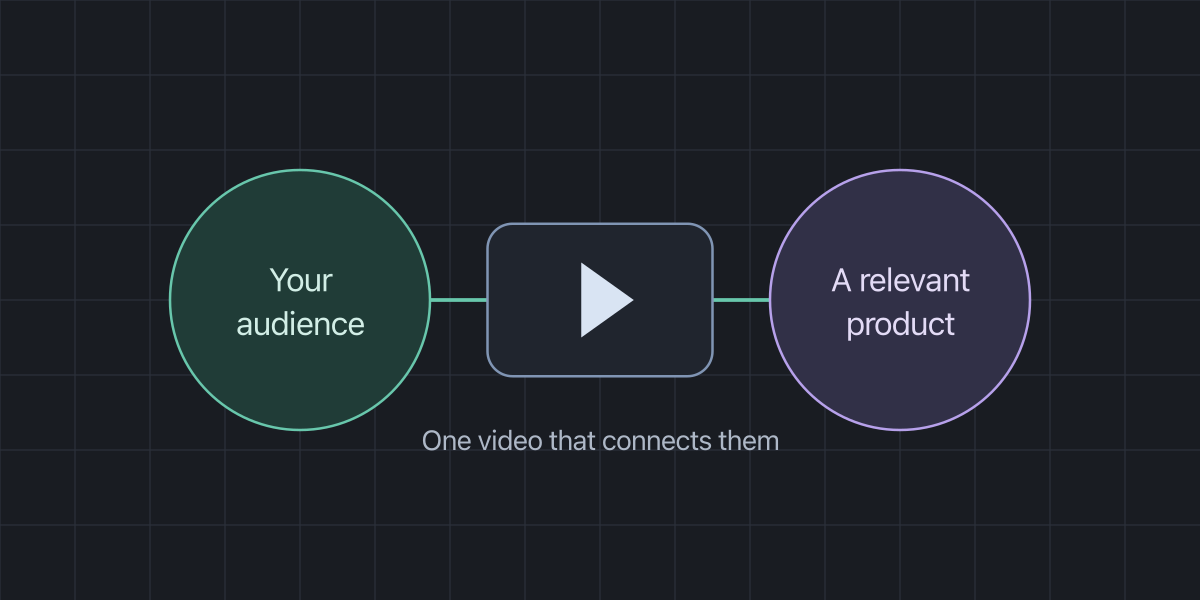
A useful sponsor list starts with a reason each brand belongs on it. Who buys the product? What would your viewers want to know about it? Can you make a video where the product has a natural role?
Those questions give you a better pitch than “I have a YouTube channel and would love to collaborate.” They also help you avoid spending your week chasing brands you would struggle to recommend.
Start with creators who share your audience
Browse creators and find a handful of channels whose viewers have something in common with yours: a hobby, a problem, a buying decision or a stage of life. There is no single subscriber count that makes every brand a fit. Comparable video results and a relevant audience give a brand more to evaluate than a subscriber count alone. You are looking for clues about product relevance.
Open their sponsorship examples and watch the integration. A logo in a description tells you much less than the moment when a creator explains why a product matters.
For example, Linus Tech Tips’ Proton sponsorship gives you a technology creator, a privacy-focused product and a specific segment to watch. A creator making videos about protecting personal information could use that as a research lead. It does not mean every technology channel should send Proton the same pitch.
Record the brand, the source video and one sentence about your own audience fit. If that sentence is difficult to write, move the brand down your list.
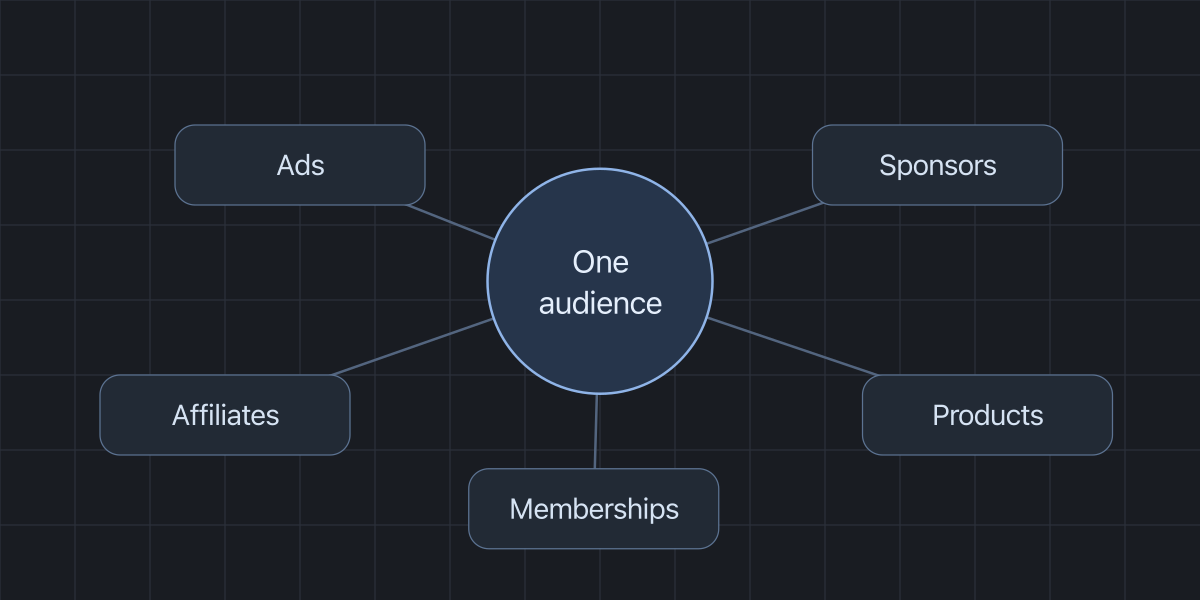
Separate a paid sponsorship from other offers
“Collaboration” can describe several very different arrangements.
| Offer | What you receive | What to establish |
|---|---|---|
| Fixed-fee sponsorship | An agreed payment for specified work | Deliverables, approvals and payment timing |
| Affiliate arrangement | Commission tied to tracked actions or purchases | Commission rules, attribution and payout terms |
| Gifted product | The product or access to a service | Whether you must publish anything in return |
| Hybrid deal | A fee plus performance-based compensation | Which payment is guaranteed and which is conditional |
In his 2021 outreach experiment, Jared Hathaway sent emails to 100 companies. He described rejections, affiliate alternatives and a discount coupon, but finished without the paid sponsorship he wanted. His experience is a useful reminder to track the kind of offer you receive, rather than counting every reply as progress toward the same goal.
Decide what you are seeking before you start. An affiliate program may suit a product tutorial you already planned. It may be a poor exchange for a custom production that takes several days.
Pitch a video, not just your channel
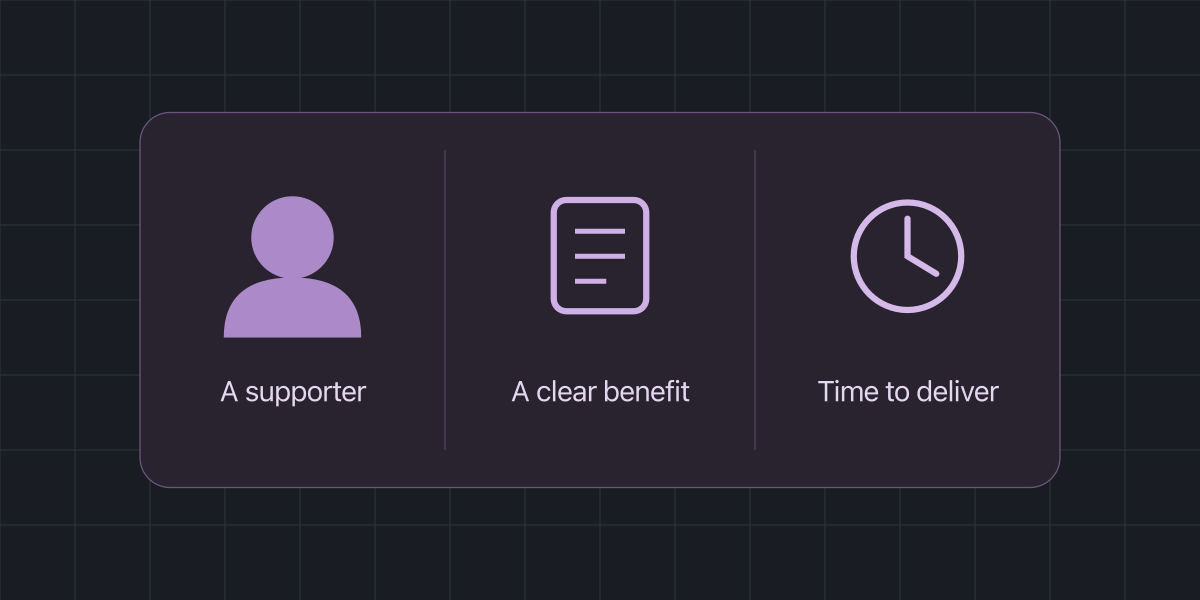
A useful first message connects three things: the audience, the product and the proposed work. Give the brand enough information to decide whether a conversation is worthwhile.
Here is an illustrative pitch for a camera channel:
I make practical camera tutorials for people filming their first paid projects. I’m planning a video about recording interviews in small rooms, and your compact light could fit a hands-on demonstration. My last five comparable tutorials received [actual view figures]. Would you be interested in discussing a paid integration?
Replace the brackets with your own results. Link to one relevant video and keep the first message easy to answer. A pitch for an untested product should offer to evaluate it first, rather than promise a positive recommendation.
Use a business or partnership contact the brand publishes. Before sending, check whether the destination handles sponsorships, affiliates or customer support; those are different conversations.
Compare the whole offer
A fee becomes meaningful when you know what it buys. A short integration in a video you were already making is different from a dedicated video with a custom shoot and several review rounds.
Before accepting, write down:
- The video format, placement and delivery date.
- The talking points and claims you can substantiate.
- How the sponsorship will be disclosed in the video and its description.
- The number of revisions and who approves them.
- Whether the brand may reuse the footage, where and for how long.
- Any restriction on working with competing products.
- The payment amount, invoicing steps and payment trigger.
Put your production costs and estimated hours beside that scope. If the brand adds deliverables, revisit the price and schedule rather than treating the extra work as invisible.
Keep a shortlist you can act on
A simple spreadsheet is enough. Give each prospect a source link, an audience-fit sentence, a proposed video, a contact route and a next action. After outreach, record the actual response: paid discussion, affiliate offer, product-only offer, rejection or no reply.
Start with a list small enough that you can watch the examples and write a specific pitch for every brand. The point is to make your next conversation more informed, not to collect the largest possible number of logos.
Browse the sponsor directory or start with a creator you know. When you find a promising example, ask what made the product relevant to that audience—and whether you can make an equally clear case for yours.