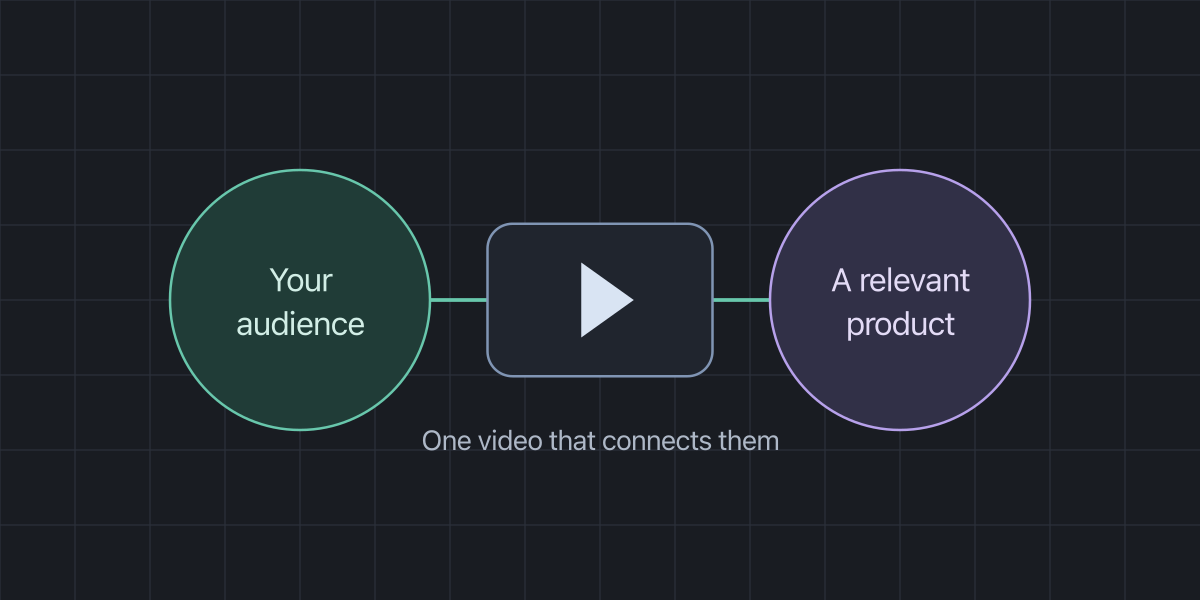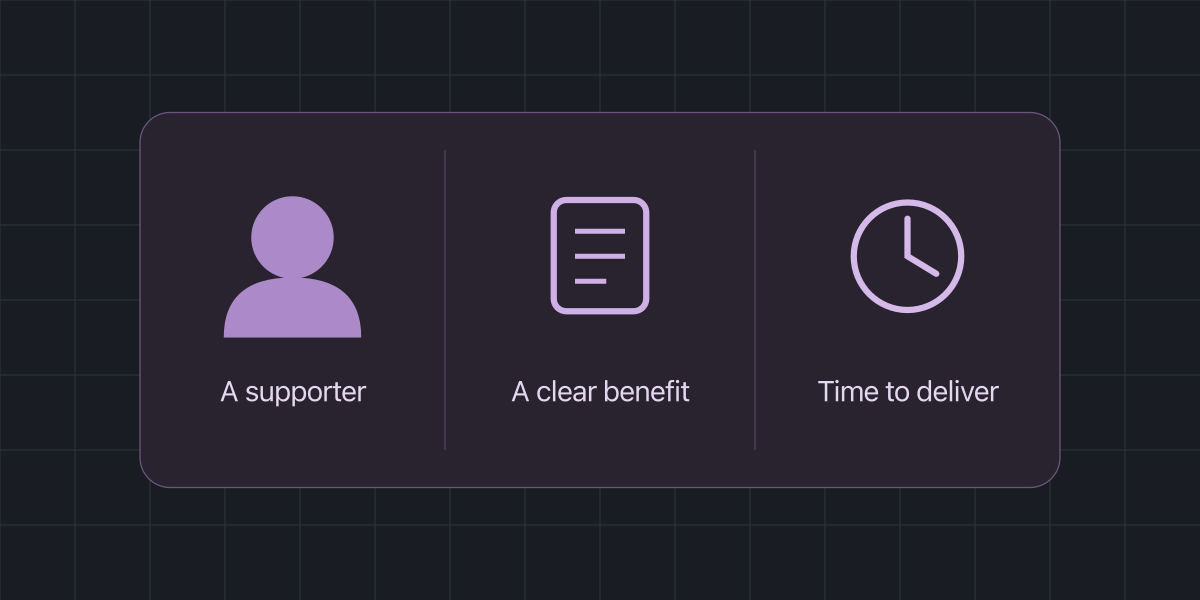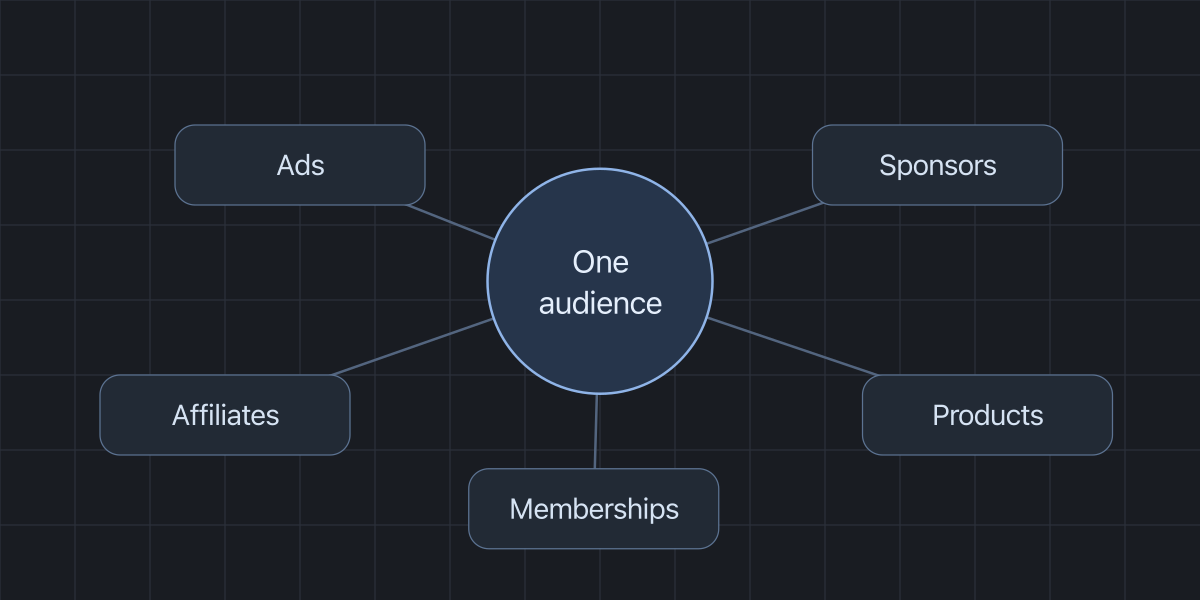
Two channels with the same number of views can have very different businesses. One earns mainly from advertising. Another uses tutorials to sell a service. A third introduces viewers to products and receives affiliate commissions when they buy.
That is why “How much does YouTube pay?” only answers part of the income question. The more useful question is which offer your audience has a reason to pay for, and what it takes to deliver it.
Five ways a channel can earn
| Income stream | Who pays? | What produces revenue? | The extra work |
|---|---|---|---|
| Advertising | YouTube through its monetization system | Eligible ad activity on monetized content | Meeting eligibility requirements and managing monetization |
| Sponsorships | A brand or its agency | An agreed collaboration | Prospecting, negotiation and delivery |
| Affiliate links | A merchant or affiliate program | Qualifying tracked purchases or actions | Useful recommendations and link maintenance |
| Products and services | Customers | A sale or a booked service | Building, selling and supporting the offer |
| Memberships | Paying supporters | Recurring membership payments | Delivering the promised benefits |
YouTube also has monetization features such as Premium revenue, Shopping and fan funding. Its partner earnings overview explains the platform-managed options. The table above groups the broader business choices a creator can make around a channel.
Product-focused videos can earn beyond the ad view
In a 2020 video about his photography business, Frederik Trovatten described roughly $200 a month from YouTube advertising and $800 from Amazon affiliate links. He linked to cameras and lenses used in his videos. In that account, affiliate income was about four times ad income.
The useful lesson is the connection between the video and a buying decision. A viewer choosing a lens may value a demonstration enough to follow the creator’s product link. A viewer watching an unrelated entertainment video may have no reason to buy that lens.
Those are historical figures from one creator, not current affiliate rates. For your own channel, start with products viewers already ask about. A useful comparison, setup walkthrough or explanation can serve the viewer whether or not they use your link. Make any commission relationship clear.
A service can earn early, but it also creates a job
A channel can help demonstrate a skill before a customer ever contacts you. Editing, design, coaching and technical work are all possible examples—but the channel does not remove the need for a useful offer.
In his early-channel income breakdown, Jay Bea reported $5,200 from coaching over four months, before tax and expenses. He described developing an offer and serving clients. His account also promotes his YouTube coaching business.
Contrast that with Kevin Chee’s account of monetization experiments. His coaching experiment earned nothing, and he explicitly described it as something he was trying rather than a developed strategy.
The difference worth investigating is the work behind the offer: what problem it solves, how people discover it, why they trust the provider and what happens after they pay. Adding “coaching” to a website is not the same as building that business.
Sponsorships exchange predictability for obligations
An agreed sponsor fee can make a video’s commercial outcome easier to plan than hoping for a particular number of ad views. It also comes with work outside filming: finding prospects, agreeing on scope, testing the product, handling reviews and getting paid.
An affiliate link has a different shape. It may keep earning after publication, but the result depends on qualifying actions, attribution and the program’s terms. A fixed sponsor fee and a potential affiliate commission should not be treated as interchangeable amounts.
If sponsorships fit your channel, start by finding brands with relevant video examples. Evaluate the product and the proposed work together. A large payment for a poor audience fit can leave you with a video you do not want to make.
Products and memberships change the delivery work
A downloadable preset, template or project file can turn something you already use into an offer. It still needs a buyer with a specific problem, clear instructions and support when something goes wrong. Selling a file is a different commitment from delivering a service for every customer.
Memberships add a recurring promise. In Laura Jane Illustrations’ March 2025 account, fans of her artwork and creative peers had different Patreon tiers, with different benefits. That is a useful starting question: who wants the offer, and what are they coming back for? Our YouTube memberships and Patreon comparison looks at the delivery choices.
Measure what is left after delivery
Revenue is a useful starting number. It is not the same as profit or personal pay.
For an illustrative $1,000 project with $250 of direct costs and 20 hours of work, $750 remains before other business expenses and tax. That is $37.50 per project hour on those assumptions. Time spent finding work and running the business still needs to be accounted for.
Use the same kind of record for each experiment: cash received, direct costs, delivery hours and continuing obligations. A digital download, sponsor integration and monthly membership may create very different amounts of future support work.
Add one income stream you can actually test
Choose a next step that matches evidence from your audience. Repeated equipment questions suggest a product explanation. Requests for help may justify testing a service. Viewers asking for ongoing access may be a reason to explore memberships.
Write down the offer, who it is for and how you will tell whether it helped. Then run one manageable experiment. You will learn more from a clear offer delivered well than from launching five revenue streams whose results you cannot separate.