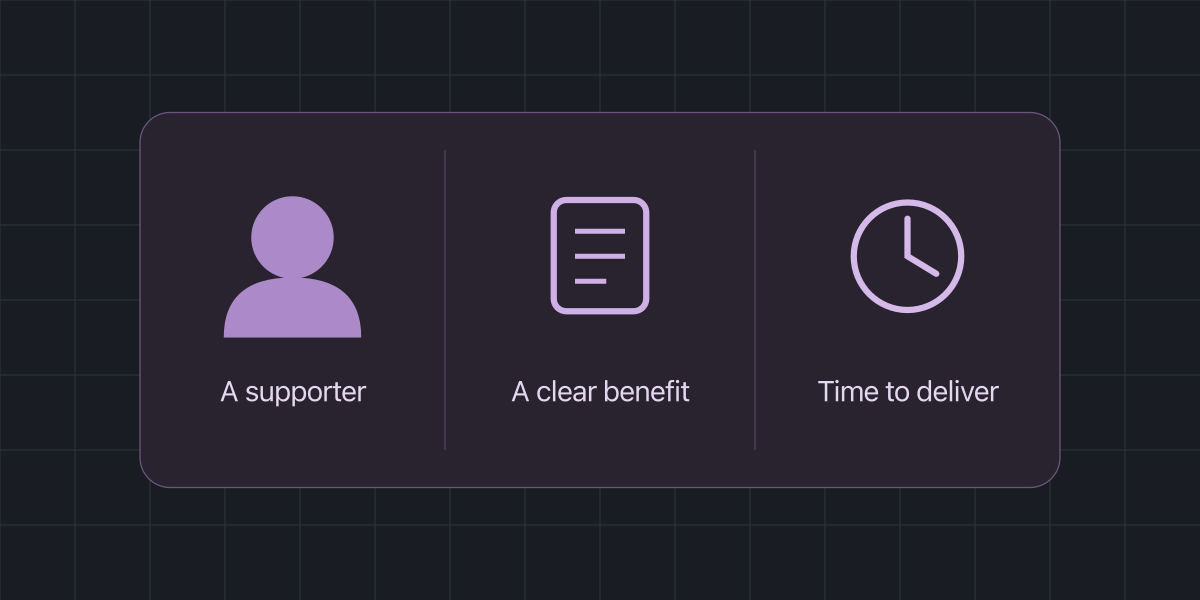
Before choosing a membership platform, finish this sentence: “Each month, members get…”
If the answer is still vague, comparing platform fees will not resolve the important decision. You need an offer people understand and a delivery schedule you can keep alongside your public videos.
YouTube memberships can be a natural extension of a channel. Patreon can provide a separate home for a broader collection of work. The better choice depends on the experience you want supporters to have.
Compare the experience you want to create
| Question | YouTube memberships | Patreon |
|---|---|---|
| Where do supporters join? | Through your eligible YouTube channel | Through a separate Patreon creator page |
| What might you offer? | Channel perks such as badges, emoji and members-only videos | Membership posts, videos and community access |
| Where does the relationship live? | Alongside your YouTube content | In a membership space you can introduce across your channels |
| What should you test? | Whether viewers want a paid extension of the channel | Whether people will follow you to a separate space and keep using it |
YouTube documents its membership levels and perks, while Patreon’s getting-started guide explains its free and paid membership options. Check availability for your account before designing an offer around a particular feature.
Design the benefit around a particular supporter
In a March 2025 studio video, Laura Jane Illustrations described two Patreon tiers for different audiences. Fans of her artwork could get items such as wallpapers and previews. Creative peers could get business-process material, a monthly livestream and a podcast.
That distinction is more useful than simply offering “more content.” A person who wants artwork for their phone and a person who wants to understand an illustration business are buying different things.
Write the benefit in concrete terms. For example, “one monthly editing breakdown with downloadable project notes” tells a prospective member more than “exclusive access.” You can then check whether you have enough material—and enough time—to keep that promise.
Count conversations as part of the work
A membership can create obligations beyond the files you upload. Messages, comments, welcome notes and requests all take time.
Kristen from Beyond The Glitter described this in her first-six-month Patreon reflection, published in May 2025. She had expected to repurpose material from other social accounts, then found that showing up, responding and consistently delivering required additional commitment.
Before offering personal access, decide what that means. A monthly group session is a different commitment from answering individual questions whenever they arrive. Put the boundary in the benefit itself so supporters know what to expect.
Compare proceeds, not just the headline percentage
YouTube states that creators under its standard commerce terms receive 70% of net revenue from channel memberships. Patreon’s standard platform fee for creator pages published after August 4, 2025 is 10%, with payment processing and other applicable fees handled separately. Legacy Patreon arrangements can differ. These figures were checked in October 2026 against YouTube’s earnings guidance and Patreon’s fee overview.
YouTube’s share applies to net revenue; Patreon’s platform fee does not include its separate processing charges. “Keep 90% versus keep 70%” is not a complete take-home comparison. Use the fee rules that apply to your account, currency and purchase route, then include the costs of delivering the membership.
Before launch, estimate the amount left after platform charges, payment fees, refunds and direct benefit costs. Divide that by the hours you expect to spend delivering benefits and answering members. A fee advantage can disappear if the offer takes substantially more work to run.
Start with one offer on one platform
If most of the benefit is a continuation of your YouTube videos and your channel is eligible, YouTube memberships are a sensible first option to examine. If you want a separate space for a mixture of posts, files and community activity, Patreon is worth examining first.
Running both adds another set of expectations to manage. Begin with one clear offer unless you already have a reason for two distinct experiences.
Before launch, answer four questions:
- Who is this for, and why would they join?
- What will they receive, and how often?
- How many hours can you spend delivering it?
- What will you review after the first few months: proceeds, member feedback, renewals or workload?
The right platform should make that offer easier to deliver. If the offer still needs work, develop it before adding another monthly commitment to your channel.